

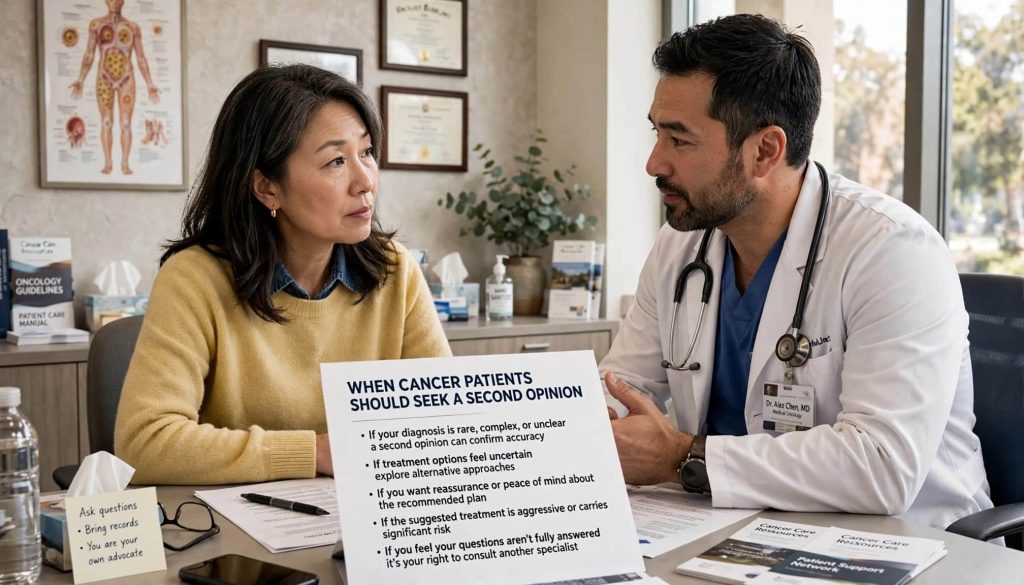
A cancer diagnosis can bring urgent decisions, unfamiliar medical language, and understandable concern for the future. A cancer second opinion provides an independent review of the diagnosis, stage, pathology, and proposed treatment plan before major decisions are made.
Patients may discuss this decision with their primary care physician and oncology team. Seeking an independent review from a specialist doctor isn’t a rejection of the original doctor or hospital. It offers a structured way to confirm important findings and consider appropriate options.
For many patients, the most helpful time is before treatment begins. For others, this review remains valuable during treatment, after recurrence, or when the current plan no longer feels clear.
Key Takeaways
- A second opinion is particularly helpful after a new diagnosis, before major surgery, when pathology is unclear, or when treatment options are limited.
- The review may confirm the original plan, which can provide valuable peace of mind and confidence.
- Specialist teams may identify differences in pathology, staging, biomarker results, treatment order, surgery, radiation therapy, or clinical-trial eligibility.
- Patients can request another opinion respectfully while continuing care with their current medical oncologist.
- A complete record package, including pathology slides, imaging, reports, and treatment history, supports a more accurate review.
- Urgent symptoms or rapidly worsening health should be discussed with the treating team immediately, rather than waiting for a second-opinion appointment.
When Is a Cancer Second Opinion Most Helpful?
A second opinion is appropriate whenever a patient needs more confidence in a major cancer diagnosis or treatment decision. It is especially valuable when treatment options may affect organ function, long-term independence, fertility, mobility, or quality of life.
Before Treatment Starts
The period after an initial diagnosis and before treatment often provides the clearest opportunity for review. A second opinion is often most useful during this window. Moores Cancer Center at UC San Diego Health advises that this is generally the best time, while recognizing that another review can help at any point in the cancer journey.
This is particularly important before a major operation, intensive chemotherapy, extensive radiation therapy, or a treatment plan that may be difficult to reverse. The goal isn’t to delay appropriate care. It’s to confirm that the diagnosis, stage, and treatment sequence fit the patient’s condition.
When the Case Is Complex or Unclear
A second opinion deserves strong consideration for rare cancers, recurrent disease, cancers that have spread, unusual pathology findings, or treatment-resistant disease. It can also help when two doctors have offered different recommendations, when a patient has significant health conditions, or when standard treatment may carry high risk.
For breast cancer, prostate cancer, lung cancer, sarcoma, head and neck cancer, blood cancers, and other complex diagnoses, treatment often depends on detailed pathology, imaging, genetic findings, and specialist experience. A specialist doctor with experience in a complex or rare cancer may identify important details that a single consultation doesn’t capture.
What a Cancer Second Opinion Reviews
A quality review goes beyond asking another doctor whether they agree. It re-examines the evidence supporting the diagnosis and proposed treatment pathway.
Pathology, Stage, and Biomarker Results
Pathology identifies the cancer type by examining tissue or cells. Staging describes where the cancer is located and whether it has spread. Both influence later decisions.
Specialists may also review biomarker testing, which looks for tumour features that can guide treatment. In breast cancer, estrogen receptor, progesterone receptor, and HER2 results can affect whether hormone therapy, targeted therapy, chemotherapy, or another approach is considered.
Treatment Approaches and Clinical Trials
A second opinion assesses established treatment options, including surgery, systemic therapy, radiation therapy, immunotherapy, targeted therapy, or active monitoring. The specialist may agree with the first plan or recommend a different sequence.
The specialist may also identify alternative treatments, but these depend on the confirmed diagnosis and eligibility. They may explain why a particular approach isn’t suitable.
Clinical trials are research studies with defined eligibility criteria. During a review, the team may identify trials worth exploring, but participation isn’t guaranteed treatment and should never be viewed as a guaranteed option.
Why Recommendations Can Change
A changed recommendation doesn’t mean the first team was careless. A second opinion may reflect different specialist expertise, especially with a rare tumour type, advanced treatment method, or complex clinical situation.
A 2023 Cancer Medicine review examined 120 oncology second-opinion cases. Forty-two involved clinically meaningful treatment changes with positive expected outcomes. The rate varied across colorectal, head and neck, lung, and myeloma cases, so these findings shouldn’t be applied to every cancer diagnosis.
A More Accurate Diagnosis Can Alter the Plan
In that review, 13 of the 42 treatment changes followed a diagnostic revision. A pathology re-review can change the tumour classification, grade, or stage, which may alter the recommended treatment.
This is why patients shouldn’t rely only on a verbal summary of results. The written pathology report, imaging reports, and original materials give the reviewing team a fuller clinical picture.
Less Treatment Can Sometimes Be Appropriate
A second opinion doesn’t always lead to more treatment. In the same study, 21 changes reduced or removed the need for surgery, while nine shifted patients from treatment to observation.
A different plan isn’t automatically a better plan. The strongest recommendation is the one that fits the confirmed diagnosis, treatment goals, overall health, and expected effect on quality of life.
For some patients, a review supports more precise treatment. For others, it may help avoid treatment that offers little expected benefit or causes unnecessary side effects.
How to Ask Your Oncologist Without Damaging Trust
Most oncology teams understand why patients seek confirmation before life-changing decisions. A respectful request for a second opinion can preserve a positive relationship and keep communication open between both teams.
Use Clear, Respectful Language
Patients can say: “I value your recommendation and would like another specialist review before making this decision. Can you help me obtain the records needed?”
This approach recognises the work already completed while making space for independent review. It also gives the medical oncologist an opportunity to recommend an appropriate specialist or cancer centre.
Keep Both Teams Informed
Ask the second doctor to send a written consultation letter to the original oncologist. Then arrange a follow-up conversation with the first team to discuss the new findings.
Even after treatment has started. In that situation, both doctors should understand the treatments already given, current response, side effects, and the clinical reason for seeking further review.
Preparing Medical Records for the Appointment
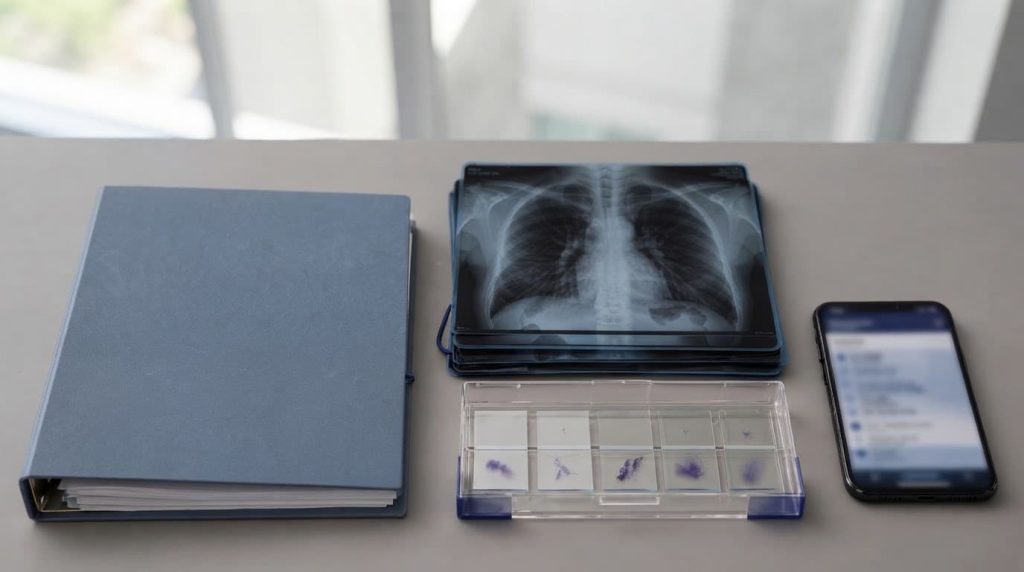
Well-organised medical records reduce repeated testing and help specialists assess the case efficiently. Your primary care physician or treating team may help you gather the necessary documents. Prepare the complete package before your second opinion appointment, and ask the hospital records department what can be shared digitally or sent directly between institutions.
Bring the Core Clinical Documents
Prepare copies of the following materials:
- Pathology reports, biopsy reports, operative notes, and discharge summaries.
- Original pathology slides or paraffin blocks when requested by the reviewing centre.
- Imaging scans in their original digital format, plus radiology reports for CT, MRI, PET, ultrasound, mammography, or X-ray studies.
- Blood-test results, biomarker reports, genetic testing results, and tumour sequencing results.
- A list of current medicines, allergies, medical history, and previous cancer treatments.
Add a Clear Treatment Timeline
Include the date of diagnosis, symptoms, procedures, treatment dates, dose information where available, and major treatment-related problems. If treatment has already begun, include recent scans and the doctor’s assessment of response.
For patients seeking care across borders, records may need certified translation and careful coordination between hospitals. The key information should remain complete, accurate, and traceable to the original medical institution.
Understanding Multidisciplinary Tumor Board Reviews
At a comprehensive cancer center, a case may be discussed by a multidisciplinary tumor board. This structured meeting brings specialists together to review the same clinical information.
More Than One Clinical Perspective
Depending on the case, the group may include medical oncologists, surgeons, radiation oncologists, radiologists, pathologists, genetic specialists, nurses, and supportive-care professionals. They consider the diagnosis, treatment priorities, possible risks, and the patient’s overall condition.
The National Cancer Institute notes that pathology findings and related tests can be reviewed by these teams to support treatment planning. This model reduces reliance on one viewpoint and can be especially helpful for rare, recurrent, or treatment-limited cancers.
What a Tumor Board Cannot Promise
Not every center reviews every patient this way, and a discussion doesn’t guarantee a new treatment option. The team may reach the same conclusion as the first oncologist.
Even so, an integrated review can explain why a certain treatment is preferred, what alternatives were considered, and which questions still need further testing or specialist input.
What to Do When Two Opinions Differ
When recommendations conflict after a second opinion, compare the evidence, goals, and risks behind each approach. Avoid treating the situation as a contest between doctors.
Compare the Evidence Behind Each Plan
Ask each team to explain the confirmed diagnosis, stage, treatment goal, expected benefit, likely treatment risks, and timing. Find out whether both teams reviewed the same pathology slides, scans, and biomarker results.
A difference based on incomplete records may be resolved quickly. When clinical judgement differs, ask the second doctor to explain the reasoning. A third review from a specialist doctor or a multidisciplinary discussion may also help.
Decide With Your Priorities in View
Cancer treatment decisions should include clinical evidence and personal priorities. Some patients value the strongest possible disease control. Others may need to weigh quality of life, independence, work, family responsibilities, symptom relief, or intensive treatment risks.
Write down your questions, bring a trusted family member if possible, and ask for the recommendation in plain language. A well-supported decision is more important than rushing into the most forceful option.
FAQ
Is it too late to seek a second opinion after treatment begins?
No. A review can help even after chemotherapy, radiation therapy, targeted therapy, immunotherapy, or surgery. It may clarify whether treatment is working, whether side effects need better management, or whether another approach may help. Don’t stop prescribed treatment without speaking to your treating oncology team.
Will a second opinion delay urgent cancer treatment?
Not necessarily. Transferring records and arranging a second opinion appointment can take time, but urgency varies by cancer type and clinical situation. Ask your current oncologist whether there’s a safe window for review. If symptoms are severe or worsening, contact the oncology team promptly.
Do I need to travel for a cancer second opinion?
Not always. Some centres can review records remotely, while others may require an in-person assessment, additional imaging, or pathology review. The best format depends on your diagnosis, available records, insurance or funding arrangements, and the specialist’s requirements.
Moving Forward With Clarity
A cancer second opinion is a practical step toward a treatment plan that is informed, personalised, and understood by the patient and family. It can confirm the current path, raise questions for further review, or open discussion about options that better reflect the patient’s goals, quality of life, and expected daily impact.
The aim is not uncertainty. It is clearer direction, supported by qualified specialists, complete medical information, and ongoing communication with the oncology team.
Disclaimer: This content is for general informational purposes only and does not replace professional medical advice, diagnosis or treatment. Always consult a qualified healthcare professional.
