

A multidisciplinary cancer consultation is a coordinated review by a multidisciplinary team of relevant medical specialists, who assess the same clinical information. The team develops a clear, evidence-based direction for care.
After a cancer diagnosis, this process brings perspectives from different health professionals together. It can reduce uncertainty when pathology, imaging, treatment options, and personal priorities are discussed. The consultation supports, but doesn’t replace, the patient’s voice, consent, or discussion with the treating team.
Key Takeaways
- A multidisciplinary team, often called an MDT or tumour board, reviews one case through several clinical perspectives rather than relying on one specialist alone.
- The team may include medical, surgical, radiation, imaging, pathology, nursing, supportive-care, and precision-medicine professionals.
- Specialists review diagnosis, stage, scan findings, pathology, overall health, treatment goals, possible risks, and patient preferences before recommending next steps.
- Not every patient attends the meeting itself. Some centres discuss the case internally, then the treating doctor explains the recommendation afterward.
- A team recommendation may confirm the original plan. It may also identify further tests, another treatment sequence, a referral, or a clinical-trial discussion.
A multidisciplinary review is not a promise of a new treatment. It is a documented opportunity to confirm that the diagnosis, priorities, and available options have been considered together.
What a multidisciplinary cancer consultation means
A multidisciplinary consultation is a coordinated review of a patient’s cancer diagnosis and treatment pathway. It may take place in a specialist clinic, a hospital meeting room, or a virtual conference linking doctors in different locations.
The National Comprehensive Cancer Network describes this forum as a way to review multidisciplinary considerations, patient-specific factors, and tumour-specific recommendations within individualized patient care. It supports personalized treatment and coordinated clinical care, while team composition and procedures vary by cancer type, hospital, healthcare system, and individual patient needs.
It is different from a routine appointment
A routine consultation commonly involves one doctor discussing results and next steps with the patient. An MDT meeting brings several medical perspectives together to consider the same findings before, during, or after that appointment.
The discussion may be scheduled for newly diagnosed cancer, recurrence, advanced disease, rare tumour types, uncertain pathology, or a treatment decision with significant effects on function and quality of life.
It brings several clinical views into one plan
Cancer treatment can involve surgery, chemotherapy, radiotherapy, rehabilitation, symptom management, and psychological support. Each option may affect the timing and suitability of another.
By reviewing the whole picture, the team can clarify the most suitable treatment options, including surgery, chemotherapy, radiotherapy, immunotherapy, targeted therapy, active monitoring, or further investigation. The patient can then discuss the recommendation with their doctor, including benefits, risks, alternatives, and practical implications.
Who may join the cancer care team?
The exact group depends on the diagnosis. A breast cancer consultation will not look identical to one for sarcoma, lung cancer, blood cancer, or a brain tumour. However, most teams bring together health professionals with expertise that directly affects diagnosis and treatment planning.
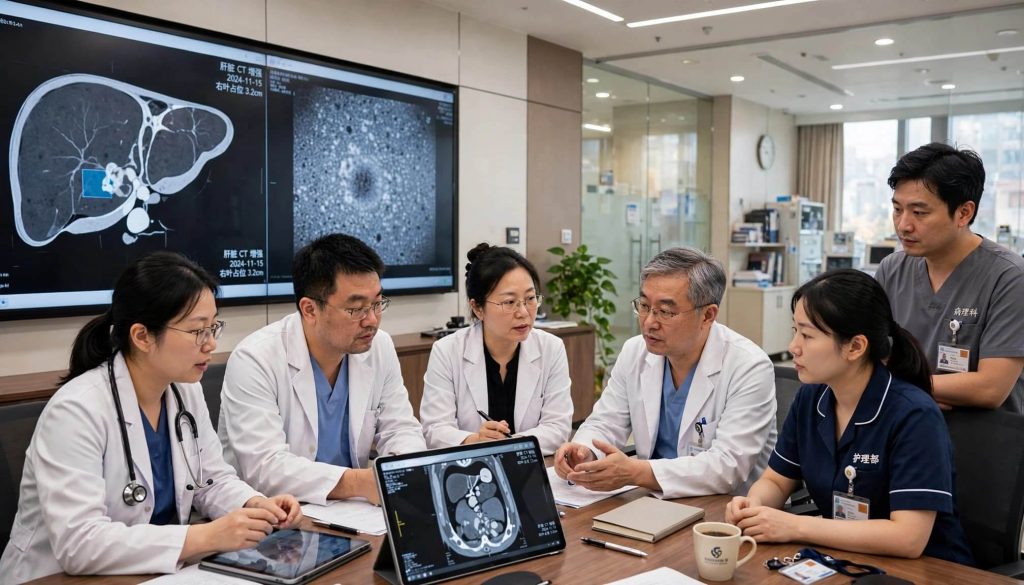
Core clinical oncology and diagnostic specialists
A medical oncologist considers medicines that treat cancer throughout the body, including chemotherapy, immunotherapy, hormone therapy, and targeted therapy. A surgical oncologist assesses whether surgery is appropriate and how it may affect recovery or organ function.
A radiation oncologist evaluates radiotherapy options. Radiologists review CT, MRI, PET, ultrasound, mammography, or X-ray findings. Pathologists confirm the cancer type by examining tissue, cells, and biopsy material. Depending on the case, genetic specialists, nuclear medicine doctors, organ-specific physicians, or molecular scientists may also contribute.
Nursing, supportive care, and rehabilitation input
A clinical nurse specialist often helps connect the treatment plan with day-to-day patient needs. Pharmacists may review medication safety and possible interactions. Dietitians, psychologists, physiotherapists, palliative-care clinicians, social workers, and rehabilitation professionals may be involved when symptoms, nutrition, mobility, emotional wellbeing, or family support require attention.
The Association of Community Cancer Centers recognizes that multidisciplinary tumour boards may address not only diagnosis and treatment, but also symptom management, follow-up, prehabilitation, rehabilitation, and supportive care.
What happens before the team meeting?
A well-prepared review begins with complete, traceable clinical information. Missing records can delay discussion or leave specialists unable to compare the same evidence.
The clinical records are assembled
The coordinating team may collect pathology and biopsy reports, operative notes, discharge summaries, laboratory results, biomarker reports, genetic testing, and previous treatment records. Original pathology slides or paraffin blocks may be requested when another centre needs to confirm the diagnosis.
Imaging is especially important. Whenever possible, send scans in their original digital format as well as the written radiology report. A summary alone may not provide enough detail for the reviewing radiologist.
The patient’s wider condition is considered
Cancer is only one part of the clinical picture. The team may review other health conditions, current medicines, allergies, previous operations, treatment side effects, functional ability, nutritional status, and emotional concerns.
Personal priorities also matter. A patient may place particular importance on preserving speech, fertility, mobility, independence, work capacity, or time with family. These concerns should be shared early, because they can affect which treatment option is most suitable.
What happens during the tumour board review?
The meeting follows a clinical sequence, although the format differs between institutions. Some teams meet weekly. Others review cases within a disease-specific clinic or use secure virtual meetings to connect specialists across hospitals.
The diagnosis and disease extent are reviewed
The team starts with the confirmed or suspected diagnosis. Pathology findings are compared with imaging and clinical history to assess cancer type, grade, stage, location, and whether there is evidence of spread.
If the information does not align, the recommendation may be further pathology review, repeat imaging, biomarker testing, or referral to a specialist centre. Complex biomarker questions may also be referred to a molecular tumour board for specialist review. This is not a failure of the first assessment. Cancer diagnosis can require several layers of evidence.
Treatment options and timing are discussed
Specialists consider which treatments are appropriate, in what order, and with what goal. For example, systemic therapy, including chemotherapy, may come before surgery, radiotherapy may follow surgery, or treatment may focus mainly on controlling symptoms and maintaining quality of life.
The team may also discuss clinical trial eligibility. A trial has defined entry criteria, and a discussion does not mean a patient will qualify. It is one possible option to assess alongside established care.
Responsibilities and next actions are recorded
An effective consultation ends with clear documentation. The recommendation should identify the next test, referral, treatment discussion, or appointment, as well as the clinician responsible for arranging it.
For patients seeking specialist input across regions or countries, virtual meetings can support access to a broader group of clinicians. ACCC notes that virtual tumour boards can bring providers from different sites into the same discussion.
When is a molecular tumour board considered?
A molecular tumour board is a more specialized form of multidisciplinary review. It focuses on molecular profiling, including genetic changes, biomarkers, and other tumour features that could influence treatment choices.
This type of review is usually considered for selected cases, such as advanced cancer, recurrent disease, rare tumours, or situations where standard treatment has not worked or is unlikely to help. The group may include oncologists, pathologists, genetic specialists, molecular biologists, pharmacists, and trial specialists.
A published review describes the multidisciplinary molecular tumour board as a way to interpret complex molecular findings and connect them with treatment decisions or research opportunities. Results don’t automatically support a targeted therapy or clinical-trial option. Findings must be assessed alongside the tumour type, previous treatment, toxicity risks, access, trial eligibility, and the patient’s overall condition.
How the recommendation is explained to the patient
Some hospitals invite patients to participate in part of the discussion. More commonly, the MDT reviews the case privately, then the treating doctor or nurse specialist meets with the patient. Neither model is universal, and both should include clear communication.
Ask for the recommendation in plain language
At the follow-up conversation, ask what diagnosis and stage the team confirmed. Ask what treatment options were considered, why one pathway was selected, and what remains uncertain. It is also reasonable to ask whether the team agreed fully or whether there were areas of clinical judgement.
You can also ask for a written summary or consultation letter. This helps your primary doctor, local oncologist, and any second-opinion specialist understand the same recommendation.
Bring a family member or caregiver
A trusted caregiver can take notes, ask questions you may forget, and help coordinate appointments afterward. If you’re not ready to decide, say so. Ask what needs to happen next, whether there’s a safe timeframe for decision-making, and which symptoms require urgent contact with the oncology team.
Patient engagement should remain part of multidisciplinary care, not an afterthought. ASCO has highlighted the value of policies that support patient engagement in MDT care.
How to prepare for a multidisciplinary cancer consultation
Preparation does not mean you must understand every medical term. It means giving the specialists a complete record and making room for the questions that matter most to you.

Organize the essential medical documents
Prepare a clear treatment timeline with diagnosis date, symptoms, procedures, treatment dates, medicines, doses where available, scan results, and major side effects. Include copies of pathology reports, biopsy results, imaging reports and files, blood tests, biomarker results, genetic testing, operative notes, discharge summaries, and a current medication list.
For care involving more than one hospital, ask whether records can be sent directly and securely between institutions. International reviews may require certified translation. Keep the original reports and make sure every document can be linked to the issuing hospital.
Prepare questions that support good decisions
Write your questions before the appointment and bring them with you. The following questions can help guide the conversation:
- What diagnosis, stage, and tumour features has the team confirmed?
- What is the goal of the recommended treatment, and what benefit is reasonably expected?
- What are the main risks, side effects, and alternatives?
- Were surgery, radiotherapy, systemic treatment, precision medicine, or clinical trials discussed?
- Is more testing needed before treatment begins?
- Who will coordinate the next appointment, records, and communication with my current doctor?
What if your doctor is not part of an MDT?
You can respectfully ask whether your case can be reviewed by a multidisciplinary team or referred to a cancer centre with disease-specific expertise. This request does not reject the work of your current oncologist. It supports a fuller review before a major decision.
For complex, recurrent, or treatment-limited cancer, a second opinion may also provide useful confirmation. Send the reviewing team complete pathology, imaging, and treatment records, then ask for the written recommendation to be shared with your original oncologist.
Do not stop prescribed treatment or wait on a review if you have severe or rapidly worsening symptoms. Contact your treating oncology team promptly to discuss the urgency of your situation.
FAQ
Will every specialist see me in person?
Not always. The MDT or tumour board may meet privately without the patient present. The treating clinician usually explains the recommendation and next steps. Ask your care team how the consultation works and who will discuss the outcome with you.
Can a multidisciplinary consultation change my treatment plan?
Yes, it can, but it may also confirm the original plan. The team might recommend further testing, suggest a different treatment sequence, or identify a referral or clinical trial discussion. A different recommendation doesn’t mean the first doctor was wrong. It may reflect additional records, specialist experience, or different clinical priorities.
Clear direction, supported by a team
A multidisciplinary cancer consultation brings diagnosis, treatment planning, and supportive care together across cancer care. Its value lies not only in the specialists involved, but also in clear recommendations and communication that may support better patient outcomes.
Ask what your team reviewed and what remains uncertain. Then ask which next action is recommended for your cancer journey.
Disclaimer: This content is for general informational purposes only and does not replace professional medical advice, diagnosis or treatment. Always consult a qualified healthcare professional.
