

When scans show that a cancer has grown, or the treatment seems less effective than expected, it can be frightening. You may wonder whether anything else can be done. There are often questions worth reviewing before deciding on the next step.
If cancer treatment is not working, contact your oncology team for a reassessment rather than stopping or changing treatment yourself. Your doctors may need to compare scans, review symptoms, check whether treatment has had enough time to work, or order further tests. Depending on the findings, the next step could be continuing treatment, changing the treatment plan, seeking a specialist review, or improving symptom control.
How do doctors know whether cancer treatment is working?
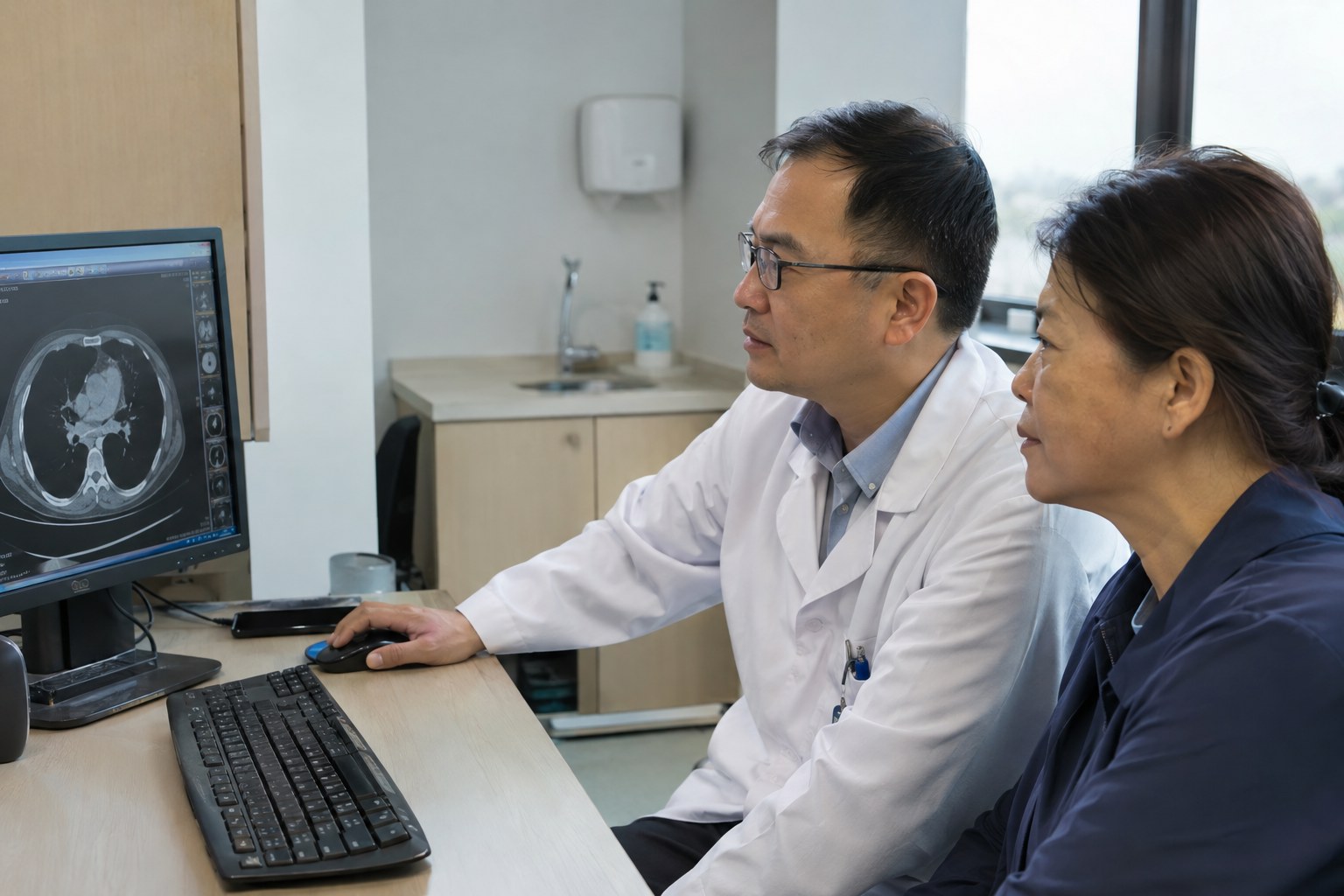
Not every treatment gives an immediate or obvious result. Doctors assess your cancer type, symptoms, physical examination, blood tests and imaging where appropriate. They may compare current scans against earlier ones and consider the expected timeline for your particular treatment. Some blood markers are useful for certain cancers, but a single abnormal result does not always mean that treatment has failed.
Ask your oncologist: “What evidence tells us this treatment is or isn’t helping?” and “When should we reassess?” Be specific about any new symptoms rather than judging progress from how you feel alone.
1. Ask what has changed — and what remains uncertain
Your team might describe a cancer as responding, stable, progressing or recurring. These terms mean different things. Ask whether the findings are definite or need confirmation, what has changed compared with previous scans, and whether the cancer has spread to a new area.
For someone already dealing with advanced cancer treatment decisions, clarifying these findings is especially important before comparing other options.
2. Review the current treatment plan with your oncologist
Ask whether you have completed enough treatment to assess its effect, whether doses were changed because of side effects, and whether the goal is to shrink the cancer, prevent further growth, relieve symptoms or achieve another specific outcome. If the goal has changed, ask your doctor to explain why.
Do not stop prescribed treatment or replace it with an unproven therapy without discussing the risks with your clinical team. If you have serious side effects or quickly worsening symptoms, seek medical advice promptly rather than waiting for the next routine review.
3. Find out if more testing could change the options
Depending on the cancer, your oncologist may consider further imaging, pathology review or tests for molecular markers that could help determine whether a targeted medicine or another approach is relevant. Not all tests are needed for every patient, and not every test result leads to a suitable new treatment.
Ask which reports should be collected, whether prior tissue samples can be reviewed, and whether your current hospital can coordinate these investigations. A specialist may also request the original scan images rather than the written report alone.
4. Ask about other evidence-based treatment options
If the cancer is growing despite the current treatment, options may depend on the diagnosis, stage, previous medicines, overall health and the patient’s priorities. Some patients may be assessed for a different systemic treatment, radiotherapy, surgery for a specific problem, a clinical trial, or a combination. Others may benefit most from care focused on symptom relief and quality of life.
For example, where radiation is being considered for a particular tumour, the specialist may explain the role and limitations of precision radiotherapy or SBRT. These are not automatic replacements for medication or surgery.
5. Consider a second opinion when the next decision is difficult
Another qualified cancer specialist can review whether the diagnosis and treatment plan remain appropriate. A second opinion may confirm the original advice or identify questions about further investigations or alternatives. It is most useful when the reviewing doctor receives a clear medical summary, pathology findings, imaging and a record of previous treatment.
You can read AGH Medical’s guidance about when to seek a cancer second opinion. If the situation is urgent, ask the treating team how to arrange a review without delaying necessary care. Some complex cases may also benefit from a multidisciplinary cancer team discussion.
6. Discuss clinical trials and specialised care carefully
Clinical trials may be available for some diagnoses and treatment stages, but eligibility, potential benefits and risks vary. Ask your oncologist whether any appropriate trial is available, what it involves, and whether joining would affect your current care or follow-up.
If your family is considering assessment outside your local hospital or overseas, first confirm the medical reason for the referral, the specialist’s expertise, estimated costs, travel suitability and how follow-up care will be handled. Patients can use AGH’s overseas cancer hospital comparison guide to prepare practical questions before deciding. AGH also outlines the steps involved in its patient care coordination journey. Overseas treatment is not necessarily better or suitable for every patient.

7. Ask for help with symptoms and day-to-day concerns
Even while cancer treatment decisions are being reviewed, symptoms deserve attention. Tell your team about pain, breathlessness, nausea, poor appetite, sleep problems, anxiety or difficulty managing daily activities. Supportive and palliative care can be provided alongside cancer-directed treatment; it does not necessarily mean that all treatment has stopped.
For families arranging hospital visits and caregiving, discuss who will coordinate appointments, manage medications and help explain medical decisions. Having one shared list of questions can make consultations less overwhelming.
Questions to bring to the next appointment
- Which scan, result or symptom suggests that treatment is no longer helping?
- Could the results be uncertain, or do we need another test?
- What is the current goal of treatment?
- Which other options are appropriate for this particular cancer?
- Would a pathology review, molecular test or multidisciplinary discussion help?
- Is there time for a second opinion without delaying urgent care?
- How can symptoms and side effects be managed now?
- What costs, appointments and follow-up arrangements should we prepare for?
Frequently asked questions
Does cancer growing during treatment mean there are no more options?
No. It means the situation needs clinical reassessment. Some patients may have other evidence-based options, while for others the focus may change toward symptom management and quality of life. Your oncologist can explain what is realistic for your case.
Can I switch to another cancer treatment immediately?
Not safely on your own. Changing treatment requires review of the diagnosis, response, risks, prior medicines and your health. Ask the treating oncologist what should happen next and how quickly.
Should I seek a second opinion if chemotherapy is not working?
It may be useful, particularly when important decisions remain uncertain. A review should be coordinated with your treating team so that urgent care is not delayed.
Can another hospital review my existing cancer reports?
Often, yes. The reviewing team may request the pathology report, scan images, treatment summary and other relevant medical records. The required documents depend on the specialist and your diagnosis.
When you want help reviewing the next step
You do not have to make a major treatment decision using internet advice alone. If your family needs help organising medical reports, exploring a suitable second-opinion pathway, or understanding how an overseas hospital review may work, contact the AGH Medical team. AGH provides patient support and medical coordination, not cancer diagnosis or treatment. Clinical decisions remain with qualified medical professionals.
Medical disclaimer: This article is for general information only and does not replace personalised medical advice, diagnosis or treatment. Never stop or delay prescribed treatment based on this article. Seek urgent medical care for severe or rapidly worsening symptoms.
