

Finding a breast lump or noticing a change in your nipple can be worrying. Many breast changes are not cancer, but it is important to have a new or unusual change checked rather than trying to diagnose it yourself.
Possible breast cancer symptoms include a new lump in the breast or armpit, changes in breast size or shape, skin dimpling, nipple changes, and discharge that happens without squeezing. Some breast cancers cause no noticeable symptoms. A clinician needs to assess any concerning change, and a scan or biopsy may be required to find its cause.
What are the possible early signs of breast cancer?
Breast cancer does not look or feel the same in everyone. Changes worth discussing with a doctor include:
- A new lump or thickened area in the breast or armpit
- One breast becoming noticeably different in size, shape or contour
- Skin dimpling, puckering, thickening or an orange-peel appearance
- A nipple turning inward when it did not before
- New scaling, crusting, redness or a persistent rash around the nipple
- Spontaneous nipple discharge, especially if bloody or from one side
- Persistent focal breast or armpit pain, particularly alongside another change
Changes may be easier to spot if you are familiar with how your breasts normally look and feel. Do not wait for a lump to become painful before seeking advice.
Does every breast lump mean cancer?
No. Cysts, fibroadenomas and hormonal changes are among the many non-cancer causes of lumps. However, touch alone cannot reliably distinguish a harmless lump from cancer. A lump that is small, movable or painless can still warrant assessment. Arrange a medical appointment rather than assuming it will disappear.
Can breast cancer happen without a lump or pain?
Yes. Some people first notice skin or nipple changes; others have no symptoms and a concern is found through screening. Breast pain by itself is more often caused by something other than cancer, but persistent or unusual pain should still be discussed with a clinician. Breast cancer can also occur in men, although it is uncommon.
When should you see a doctor about breast changes?
Arrange an appointment promptly for a new lump, unexplained nipple discharge, recent nipple inversion, persistent rash or a clear change in breast appearance. Do not delay assessment simply because you are young, do not have a family history or recently had a normal screening test.
If your breast becomes suddenly red, hot, very swollen or painful, especially with fever, seek prompt care because an infection may require treatment. Rapidly developing breast swelling or skin changes also need urgent assessment. Serious illness cannot be reliably assessed through an online article.
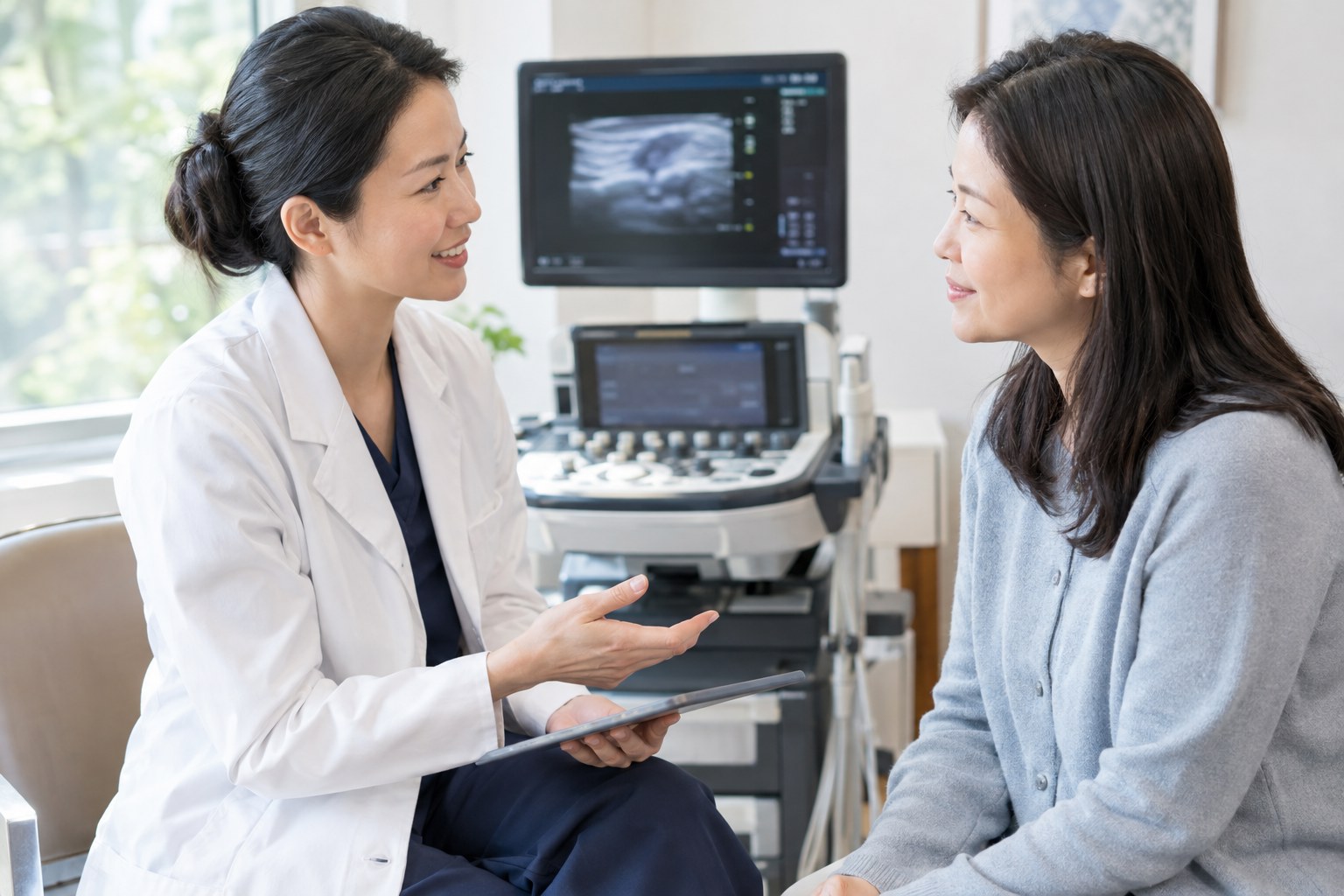
How do doctors investigate a breast lump or nipple change?
A doctor usually starts by asking when the change began, whether it is changing, your medical and family history and any previous breast imaging. They may examine the breast and nearby lymph nodes and arrange imaging such as an ultrasound or diagnostic mammogram, depending on age and clinical findings.
If imaging or examination finds an area of concern, a specialist may recommend a biopsy to take a tissue sample. The pathology result helps identify whether cancer is present and, if so, its type. Scans alone do not always provide a definite diagnosis. Ask when to expect results and whom to contact if they are delayed.
What about breast screening when you have no symptoms?
Screening aims to find cancer before symptoms develop. Whether and when to have a mammogram depends on your age, personal risk, family history and local clinical recommendations. A person at increased hereditary risk may need an individual screening plan. If you already have a lump or another concerning change, you need diagnostic assessment rather than relying on routine screening alone.
What happens after a breast cancer diagnosis?
Your team will explain the pathology, stage and whether testing for tumour markers such as hormone receptors and HER2 is needed. Depending on the diagnosis, treatment may include surgery, radiotherapy, medicines or a combination. For some patients, treatment starts with medicines before surgery; for others, surgery comes first. The right sequence is individual. For a patient-friendly explanation of how test results can inform treatment decisions, see what biomarker testing for cancer involves.
If treatment decisions are complex, start with what to do after a cancer diagnosis in Malaysia. AGH’s information on advanced cancer treatment options and multidisciplinary cancer consultation can help you prepare questions. These pages do not replace recommendations from qualified clinicians.
When is a breast cancer second opinion worth considering?
After a confirmed diagnosis, another qualified specialist may help review the pathology, stage, proposed surgery, treatment sequence or other significant decisions. A second opinion may agree with your current team or offer another evidence-based perspective. Ask about timing so a review does not delay necessary care. See when to consider a cancer second opinion and AGH’s patient care journey for coordination information.

Questions to ask at your appointment
- What could explain this lump, skin change or discharge?
- What tests are needed, and how soon should they be done?
- Will I need ultrasound, mammography or a biopsy?
- How and when will the results be explained?
- If cancer is diagnosed, what type and stage is it?
- Which treatment options fit my results and priorities?
- Would another specialist review help before a major decision?
Frequently asked questions
Is a painless breast lump dangerous?
Not necessarily, but a painless lump cannot be assumed harmless. Have any new or unusual breast lump assessed by a qualified clinician.
Can breast cancer cause nipple discharge?
Yes, although many cases of nipple discharge have non-cancer causes. Spontaneous, one-sided or bloody discharge deserves medical assessment.
Can young women get breast cancer?
Yes, although risk generally increases with age. New breast changes should be assessed even in younger adults.
Does a normal mammogram rule out breast cancer?
No test finds every cancer. If you notice a new lump or change despite a normal screening result, speak with a clinician about diagnostic assessment.
Should I request a second opinion before a biopsy?
For a concerning symptom, your first priority is timely diagnostic care. A second opinion may be useful after diagnosis or for an important uncertain decision, but should not unnecessarily delay recommended investigations.
Support after a confirmed diagnosis
If you or a family member has received a breast cancer diagnosis and would like help exploring a medical-report review or suitable specialist opinion, you can contact AGH Medical. AGH provides patient support and medical coordination rather than hospital diagnosis or treatment. Medical decisions should be made with qualified healthcare professionals.
Medical disclaimer: This article is for general educational purposes only and is not medical advice, diagnosis or treatment. Breast changes have many possible causes. Seek a qualified clinician’s assessment for new or concerning symptoms and do not delay urgent medical care.
