

You may want another cancer specialist to review your case, but travelling to another hospital can be difficult when you are already managing appointments, treatment and family responsibilities. An online second opinion may be a practical first step in some situations.
An online cancer second opinion usually begins with a secure review of your medical reports and scans by another qualified specialist. Depending on the provider and your medical condition, you may receive written findings, a video consultation, or a request for more tests. A remote opinion can clarify questions, but it cannot replace an examination or urgent care when these are needed.
Can you get a cancer second opinion online without visiting another hospital?
Sometimes, yes. Certain specialists or hospitals offer remote medical-record reviews or video consultations. Availability, eligibility, fees and the form of the final opinion vary. A medical-record review is not automatically the same as a full clinical consultation. Ask who will review the records, which qualifications they hold, and whether you will be able to ask follow-up questions.
This guide focuses on how an online review works, how to prepare digital records and how to evaluate its limitations. If you are still deciding whether another opinion is necessary, start with AGH Medical’s guide on when to seek a cancer second opinion.
1. Decide what question you want the second specialist to answer
Before sending documents, write down the main decision you are facing. For example: Is my diagnosis confirmed? Should I consider a different treatment sequence? Are the scan findings clear? Is another test necessary? What should I discuss with my current oncologist?
Specific questions help the reviewing team understand what matters most. You do not need to request every possible treatment at once. Tell your current oncology team about the proposed review and ask how much time is available before your next treatment decision.
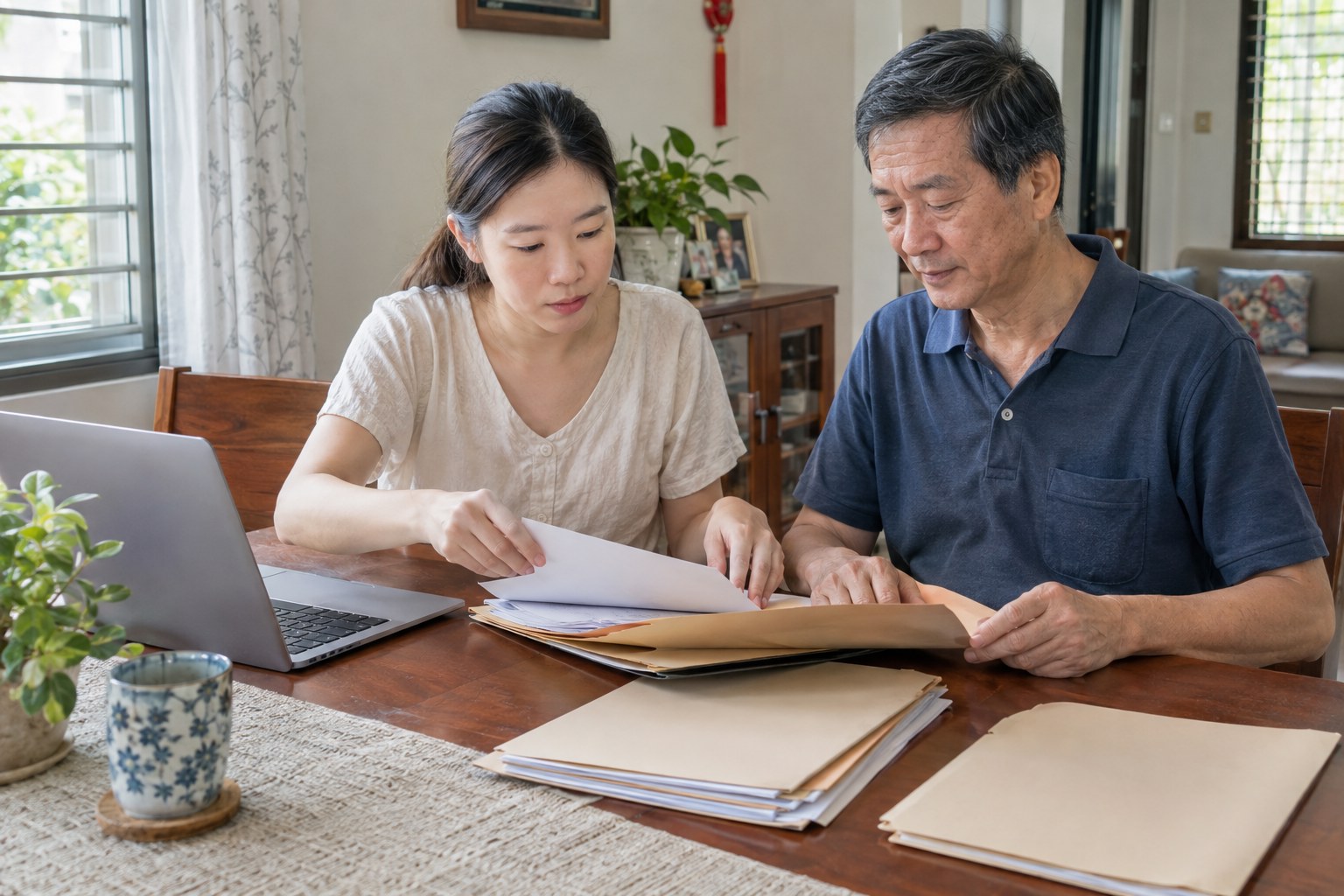
2. Prepare a clear digital medical-record package
Most reviews require more than a short message describing your symptoms. The exact requirements vary by hospital and cancer type, but you may be asked for:
- Pathology or biopsy reports, including any addenda
- CT, MRI, PET or other scan reports, with original images if requested
- Current diagnosis, stage and medical summary
- Records of surgery, chemotherapy, radiotherapy or other previous treatments
- Relevant blood tests or molecular-test results
- A current medication list and relevant medical conditions
- A short timeline of important dates and symptoms
Ask your hospital how to obtain copies of the original imaging files rather than relying on photos of printed scans. Name your files clearly by date and document type, and retain your own copies. Where records are incomplete, tell the reviewing team rather than guessing.
3. Ask how documents will be submitted and protected
Cancer records contain sensitive personal information. Before submitting them through a website, email or messaging app, check who receives the files, why they are needed, how they will be stored and whether they will be shared with a hospital or specialist. Use the provider’s stated secure submission method and send only the information requested.
If a relative is assisting, confirm the patient has agreed to the information being shared. Ask what happens if the review cannot proceed, whether a fee is refundable and how you can obtain a copy of the completed opinion.

4. Find out whether you are booking a report review or a video consultation
These services can be different. A medical-record review may involve a specialist examining documents and preparing written feedback. A video consultation allows real-time questions, but the doctor may still be unable to complete an examination remotely. Some cases are discussed by several specialists in a multidisciplinary cancer consultation.
Before paying, ask who will provide the opinion, which records they need, whether an interpreter is available if needed, the expected turnaround timeframe and whether a written summary will be supplied. Also ask whether the clinician can provide an opinion across borders under the applicable professional rules.
5. Understand what the second opinion can — and cannot — tell you
A reviewing specialist may agree with your current treatment plan, suggest another investigation or identify an option to discuss with your treating team. A second opinion is not proof that one hospital is better than another, nor a guarantee that a different treatment will help.
If imaging is unclear, tissue samples need additional review, or your condition requires a physical examination, the specialist may say that a reliable conclusion is not possible from the uploaded documents alone. That is an appropriate limitation, not necessarily a failed consultation.
6. Compare the opinion with your existing care plan
When the report arrives, arrange time to discuss it with your current oncologist. Ask which recommendations are supported by your test results, whether further tests are required, what benefits and risks to expect, and whether any change would affect the timing of treatment. Do not stop medication or cancel procedures based only on an online message.
For patients already considering more complex treatment decisions, AGH’s overview of advanced cancer treatment options provides broader context, but the treating clinicians must assess individual suitability.
7. Decide whether an in-person appointment or further hospital assessment is necessary
An online review may be a useful first stage, but some cases require a physical examination, updated tests, a procedure or a hospital visit. If you are considering an overseas hospital after the review, ask about travel fitness, total costs, treatment availability and follow-up arrangements before making bookings.
AGH Medical explains the wider pathway in its overseas cancer second-opinion guide and care journey. Those resources cover travel and care coordination; the focus here is preparing for a remote specialist review.
Checklist before requesting an online second opinion
- I have a clear question for the reviewing specialist.
- I know whether this is a written review, video consultation or multidisciplinary assessment.
- I have collected the latest pathology, scan and treatment records.
- I know who will review the case and what credentials they hold.
- I understand how my records will be handled and what the service costs.
- I know whether I will receive written findings and can ask follow-up questions.
- I have discussed treatment urgency with my current doctor.
Frequently asked questions
Can I request an online cancer second opinion while receiving treatment?
In some cases, yes. Tell the reviewing specialist what treatment you are currently receiving and discuss the timing with your treating oncologist. Do not delay urgent or scheduled care without medical advice.
Are scanned reports enough for an online oncology review?
Sometimes, but specialists may need original imaging files, pathology material, updated tests or further clinical information. Requirements depend on the diagnosis and the purpose of the review.
Will I need a video call with the specialist?
Not always. Some providers offer written report reviews, while others provide video consultations or a combination. Confirm the format before submitting documents or paying.
Can my family help submit the medical reports?
Family members can often help organise files and communicate with the provider if the patient has given appropriate permission. Clarify consent and privacy arrangements first.
Does an online second opinion mean I can receive treatment remotely?
No. A remote review does not replace hospital-based procedures, examinations or emergency assessment. The specialist may recommend an in-person visit or additional tests before treatment decisions are made.
Need help preparing for a second-opinion review?
AGH Medical is a patient-support and medical coordination service, not a hospital. If you would like to understand how your medical records may be organised for specialist review or how an overseas opinion could be coordinated, you can contact the AGH Medical team. A qualified clinician must determine the appropriate medical next steps.
Medical disclaimer: This article is for general information only and does not replace personalised medical advice, diagnosis or treatment. Online reviews have limitations. Always consult qualified healthcare professionals and seek urgent care for serious or worsening symptoms.
